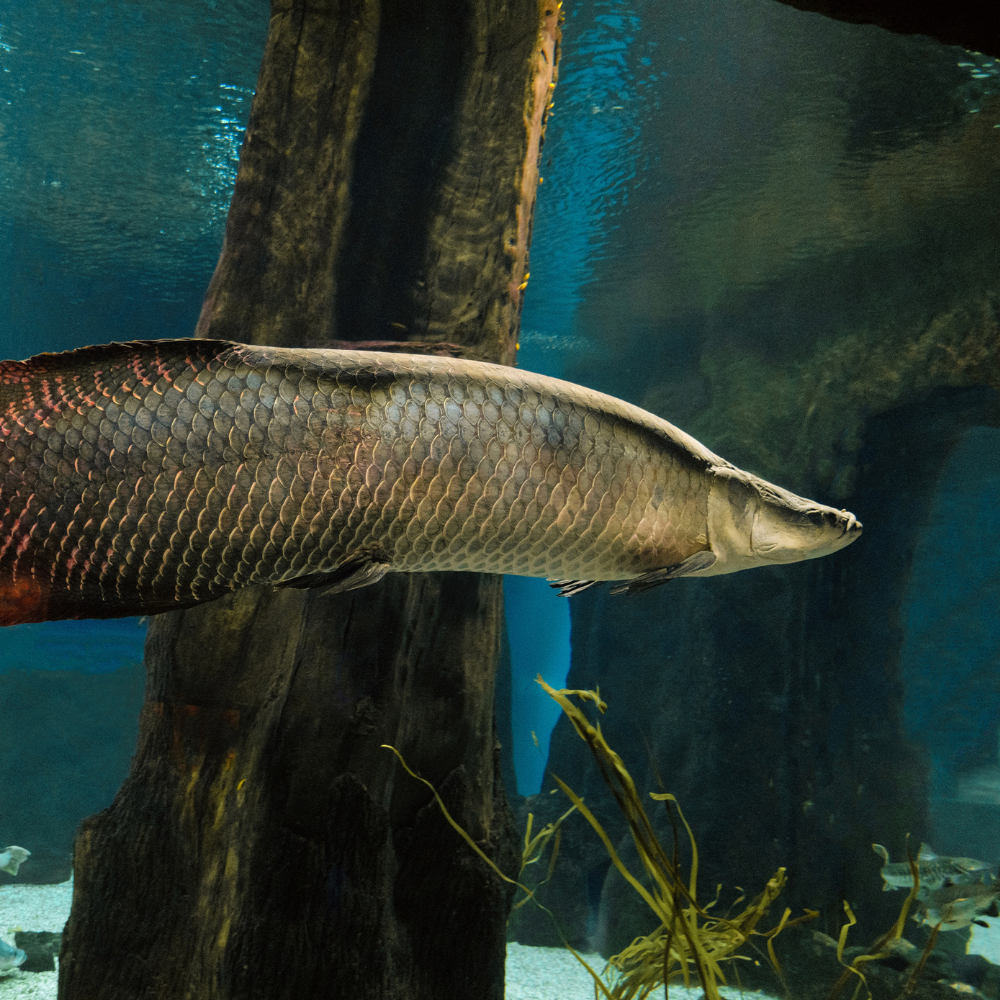
The diverse species of fish inhabiting the Amazon River basin enrich our diets with essential fatty acids, minerals, and proteins. Research conducted by the National Institute for Amazonian Research (INPA) highlights the nutritional benefits of Amazonian fish, which are exceptionally rich in high-quality proteins and essential minerals such as calcium, iron, zinc, sodium, potassium, and selenium. These nutrient levels effectively address significant nutritional deficiencies within the population.

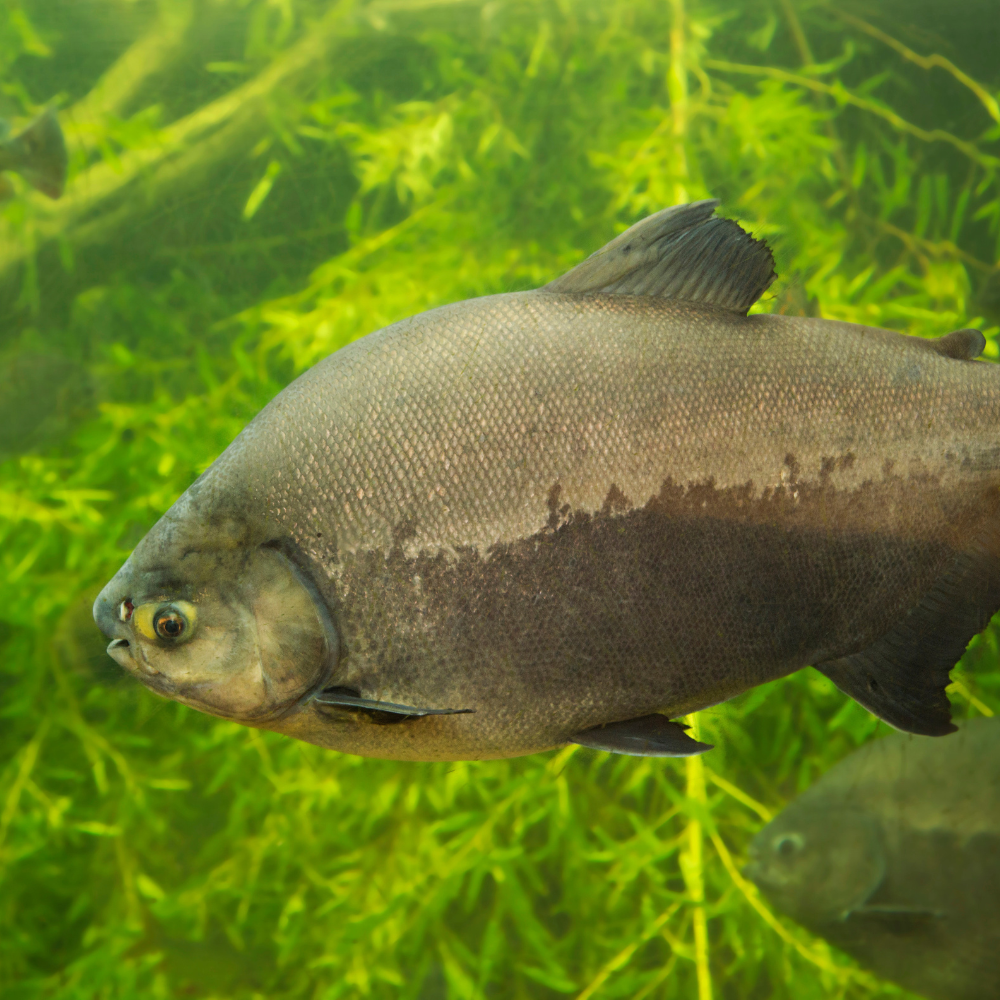
TAMBAQUI
The Tambaqui, a fish thriving in nutrient-rich waters with temperatures typically ranging from 77°F to 93°F, inhabits diverse environments including black water (pH 3.8-4.9) and turbid water (pH 6.2-7.2). Notably, this species exhibits remarkable resilience to pH fluctuations. Equipped with specialized molar teeth, it adeptly consumes fruits and seeds from over 133 plant and tree species, alongside insects, zooplankton, and various plant matter. The tambaqui is abundant in proteins, minerals, B vitamins, phosphorus, omega-3 fatty acids, and serves as a natural antioxidant.
PIRARUCU
The Pirarucu, known for its substantial size, typically reaches lengths of 78 to 118 inches and weighs between 220 and 440 lbs as an adult. This omnivorous species thrives on a varied diet, including fruits, worms, insects, mollusks, crustaceans, fish, amphibians, reptiles, and occasionally water birds. Acclaimed for its nutritional richness, Pirarucu is abundant in proteins, vitamins, phosphorus, omega-3 fatty acids, and possesses antioxidant properties. It inhabits lakes and tributary rivers with clear waters and temperatures ranging from 75.2°F to 98.6°C.